Gran Canaria
Gran Canaria: beaches, city life and mountains
Choose where to stay on Gran Canaria and plan Las Palmas, Maspalomas, Tejeda and Agaete, with practical transport and nature tips.
Gran Canaria combines urban life, coast and mountains within one trip. Las Palmas adds museums and historic streets to a beach holiday, while the ravines and uplands of the centre call for a slower pace. Rather than crossing the entire island daily, dedicate each outing to one area and remember that mountain roads involve bends and changes in elevation.
Places, landscapes and practical tips
Places to explore
Las Palmas: Vegueta and Las Canteras
Plan a walk around Vegueta for historic buildings and museums, then give the Las Canteras seafront its own time. Check accommodation locations carefully: the historic quarter and the beach offer different experiences within the same city.
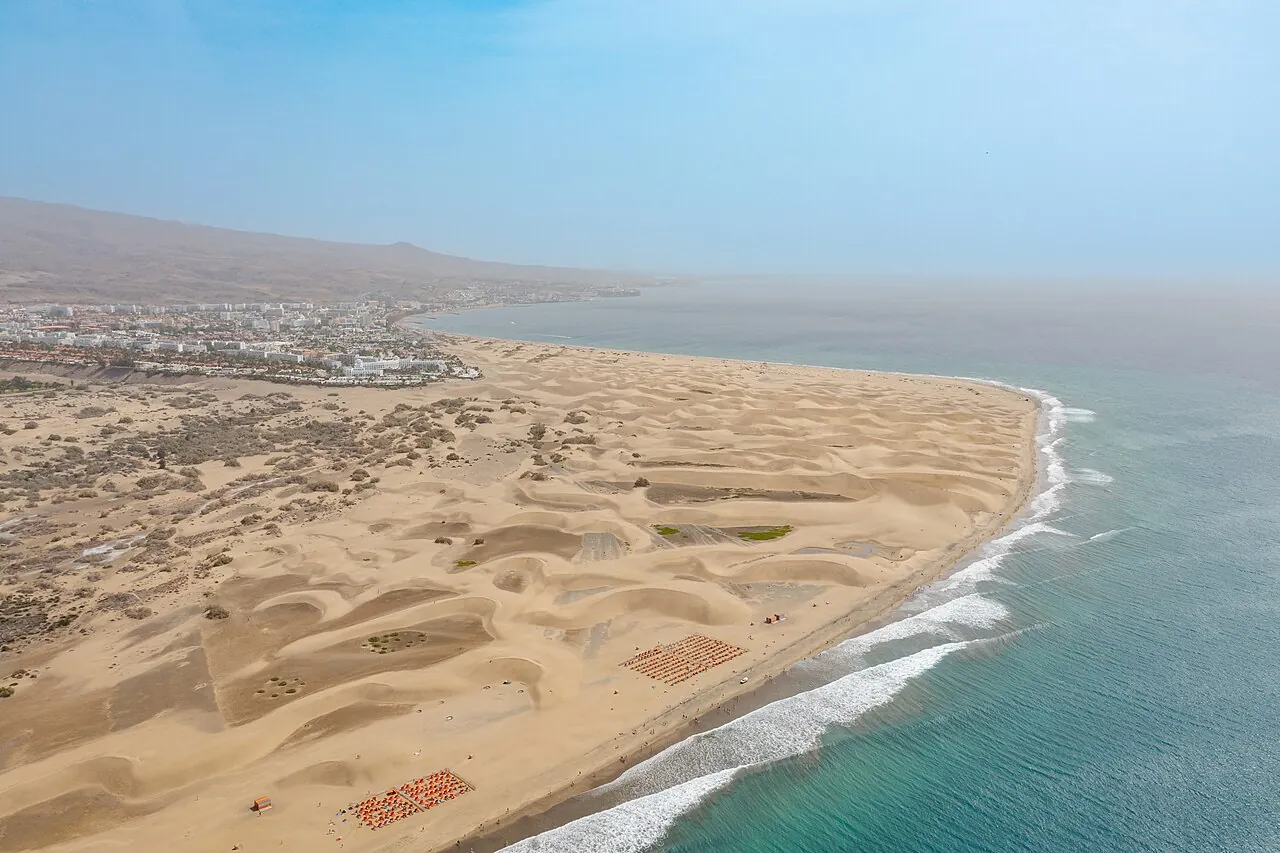
Maspalomas dunes
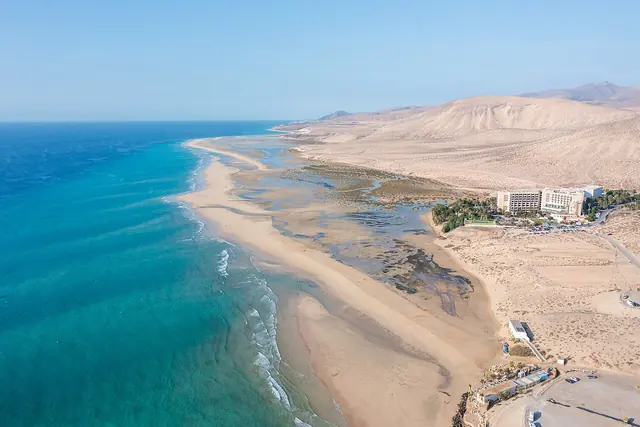
The reserve combines a dune landscape with wetland habitat important for birds. Use signed entrances and marked paths, carry water and treat the sand as a sensitive environment rather than an unrestricted shortcut.
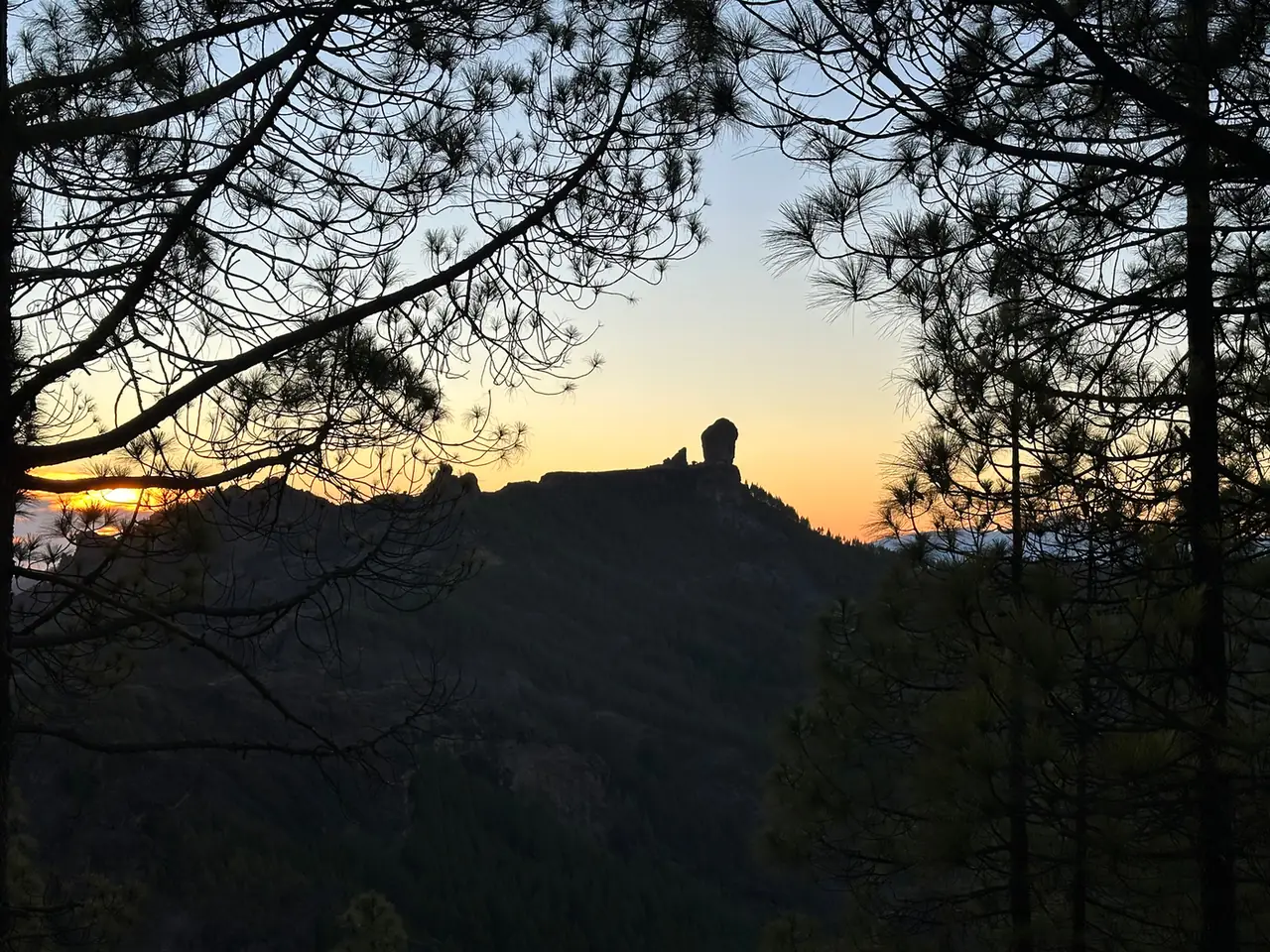
Tejeda and Roque Nublo
Tejeda introduces the scenery of the island's centre. Walking up to Roque Nublo requires an online booking on Gran Canaria's official trails portal; the car park next to the rock is closed, so plan the shuttle or bus and your return in advance.
Agaete and Puerto de las Nieves
In the northwest, allow time for the village and coast instead of stopping only for a harbour photograph. The area also offers a smaller base for exploring northern landscapes.
Choosing your base
Las Palmas suits visitors who want city life, a beach and transport connections. Maspalomas and Meloneras work well for a southern seaside stay. Consider Agaete for a smaller coastal setting or Tejeda for mountain scenery. Inland, check slopes, parking and nearby services before booking.
Explore homes in the catalogueGetting around
Buses support many coastal journeys and some inland trips, but plan each excursion around actual connections. A car can offer flexibility between villages. For Roque Nublo, follow the specific access guidance instead of assuming you can drive directly to the trailhead.
When to visit and what to respect
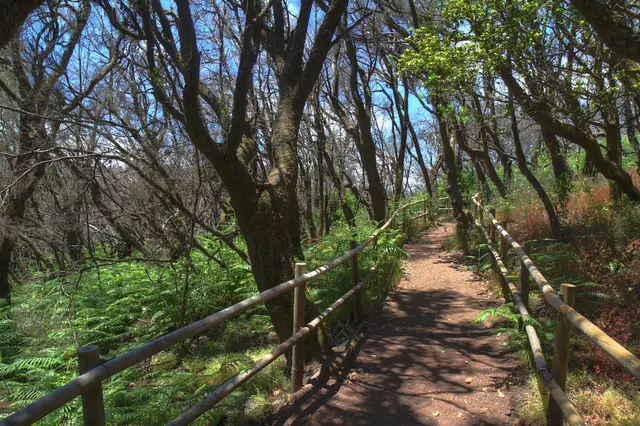
The southern coast and the peaks can have very different conditions on the same day. Pack a mountain layer, match walks to the weather and keep to visitor routes in dunes and pine woodland.
For holiday-home owners
Your home can tell this island’s story.
For a Gran Canaria home, location matters as much as the interior. Explain whether it is near Las Canteras, on the southern coast or inland; describe slopes, steps and parking with real photographs and accurate practical details.
A helpful listing starts with real photographs, an accurate location, clear facilities and up-to-date calendars. Listing a home and appointing a property manager are separate choices: choose only the service you need.
No occupancy or income promises: accurate information makes a listing useful.Before you travel
Can I visit Gran Canaria without a car?
Yes, particularly from a well-connected coastal base. Check return journeys carefully for villages and hiking trips.
Should I stay in the mountains?
It can work well when the interior is your main interest. For a predominantly beach holiday, a coastal base reduces transfers.
Sources and updates
Editorial information checked against the official sources listed below. Access, transport and conditions can change: check current notices before travelling.
Photographs and licencesThe guide does not claim accommodation availability. Published homes and their current conditions are in the catalogue.